

There is renewed concern about whether enough is being done to prevent the youth sports concussions following a major study that found at least a quarter of NFL players are expected to develop a degenerative brain disease.
“What’s happening when these individuals are younger? How many little hits are they getting that leads to them having CTE? And what can we do at that younger age group to prevent these athletes from getting that?” asked Dr. Nirav Pandya, a pediatric orthopedic surgeon with UCSF Benioff who specializes in sports medicine for young athletes.
Concussions in general affect around two million teenagers and children in the U.S. every year, according to the National Center for Health Statistics.
Boys tackle football has the highest rate of concussions, according to the CDC, and girls soccer is number two. Girls in general have a higher change of sports-related concussions than boys, the agency said, in part because girls may report more and health care professionals like athletic trainers are less likely to be at girls’ practices and games to identify injuries.
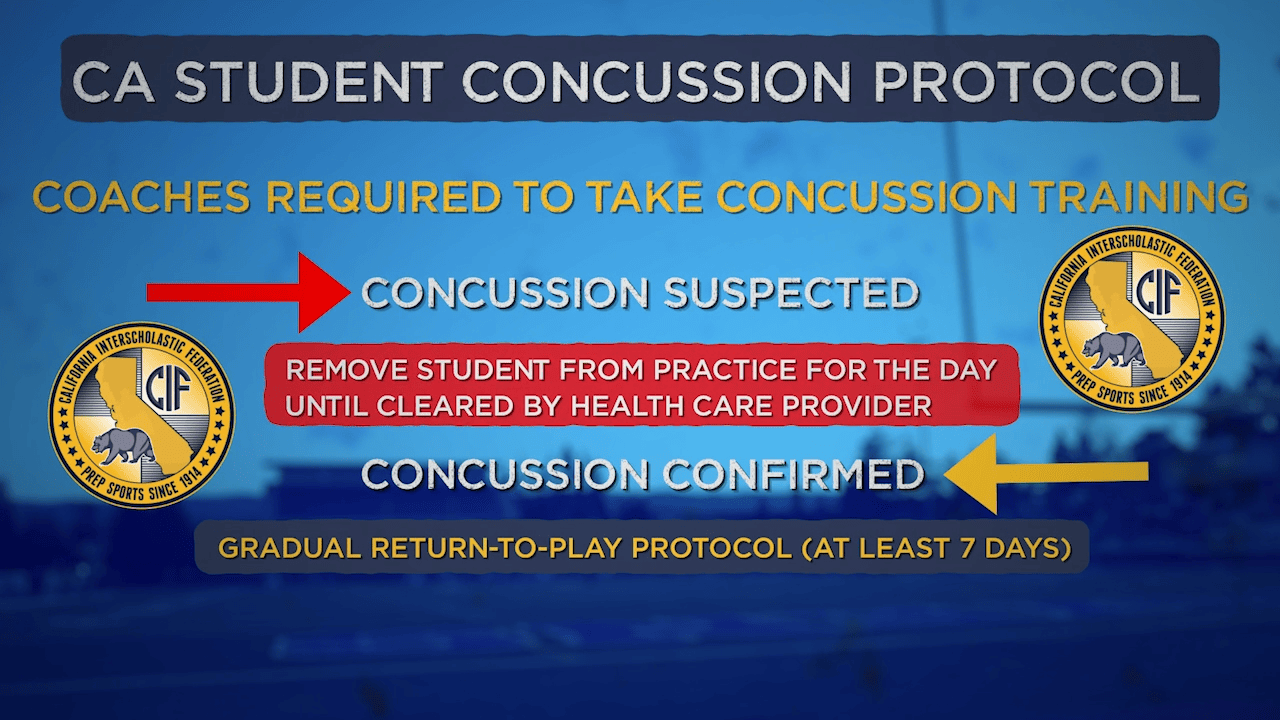
California’s student athlete concussion protocol
In California, school coaches are required to take an online training course on concussions. If they suspect a concussion, they must remove the student athlete from the game or practice for at least that day until cleared by a licensed health care provider. If a concussion is confirmed, the student must complete a gradual return-to-play protocol lasting at least seven days.
“I think the tough thing with all of this is that you are basing it on a kid reporting symptoms and someone identifying them,” said Dr. Pandya who said he recently had a patient whose concussions went undiagnosed for over a year.
“He had horrible headaches, had problems learning for over a year and had multiple concussions and hadn’t gotten treatment,” Dr. Pandya said. “A concussion, there’s no MRI; no blood test for it.”
Ben Nguyen’s concussion story
Earlier this year, Ben Nguyen, a senior at Archbishop Mitty High School in San Jose, California, says he suffered a serious concussion during a wrestling match.
“I felt incredibly nauseous,” he recalled.
Nguyen shared cell phone video of the moment he got concussed. It showed his opponent go in for a takedown when Nguyen responds by trying to flip the other student over his own body.
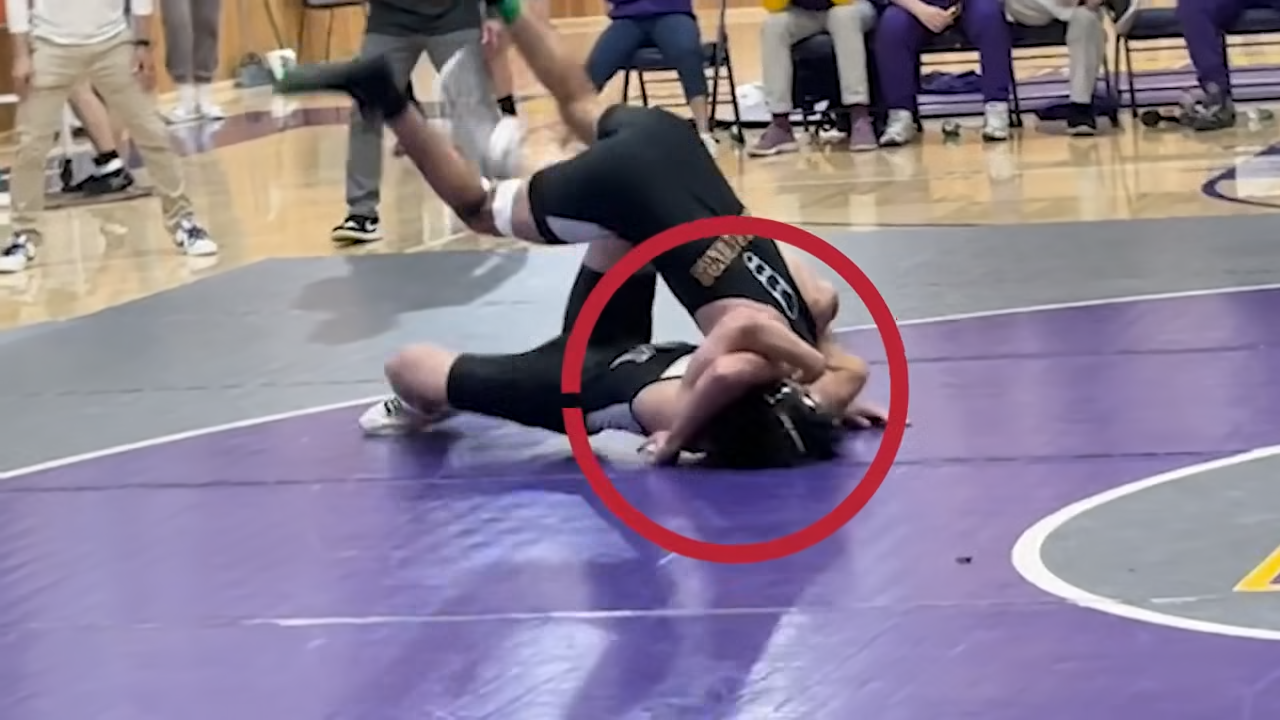
“His should and neck were kind of in my chin area,” he said. “The impact kind of went straight to my head.”
The impact wasn’t obvious, but the symptoms afterward were.
“I couldn’t think as fast anymore…I was like throwing up in the bus ride. I was throwing up right after my match as well,” Nguyen said.
Nguyen said he felt a little nervous about telling his coach and athletic trainer, who’s a sports health care professional on the team.
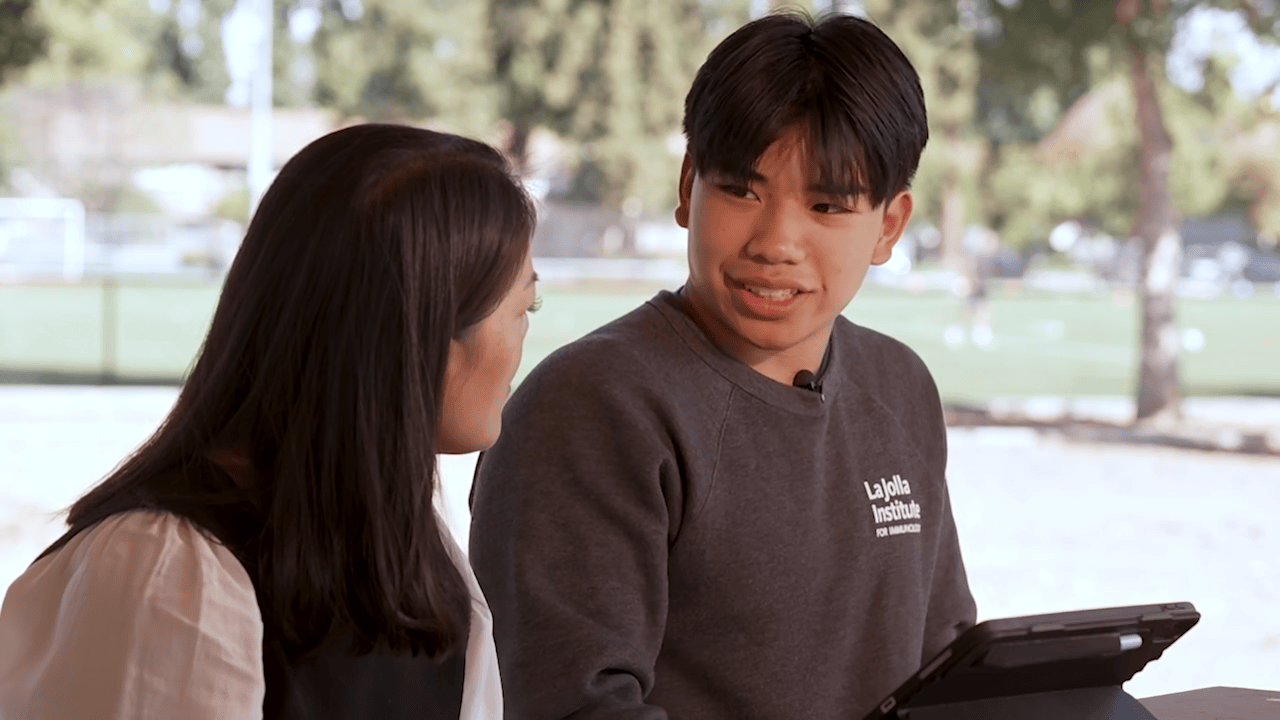
“The impact looked so subtle. I was kind of scared of them being like, ‘Oh, there’s nothing, you can go back,’” Nguyen said. He said that didn’t happen and his school took his injury seriously. However, he admits, it’s easy for students to get around the concussion protocols if they want.
“I have a friend in football who had all the hallmark symptoms of concussions, he just lied on the survey to get back into practice,” he said.
NBC Bay Area reached out to Archbishop Mitty High School. The school declined to participate in this story. The California Interscholastic Federation, which established the state’s student athlete concussion protocol, said it’s important for everyone involved to make sure the return-to-play process is followed.
The solutions, the science, and the debate
“If we can empower kids to understand that it’s okay to speak up. Number two, the system, athletic trainers, physical therapists, anyone who’s looking over these kids.Then, I think there are more drastic things that we talk about like, how can we decrease the number of chances or times that someone can get hit? Maybe that means delaying when kids start playing tackle football,” Dr. Pandya said.
It’s some of those drastic suggestions that continue to get pushback.
“My big concern is when we hear results about people who play the most elite level, that there’s a reaction of looking at, well, what do we do at the youth level? And these are very different games,” said David Camarillo who is Associate Professor of Bioengineering, (by courtesy) Mechanical Engineering and Neurosurgery at Stanford University.
Camarillo has been studying concussions for the past 15 years testing thousands of helmets in his lab, CamLab, in Stanford.
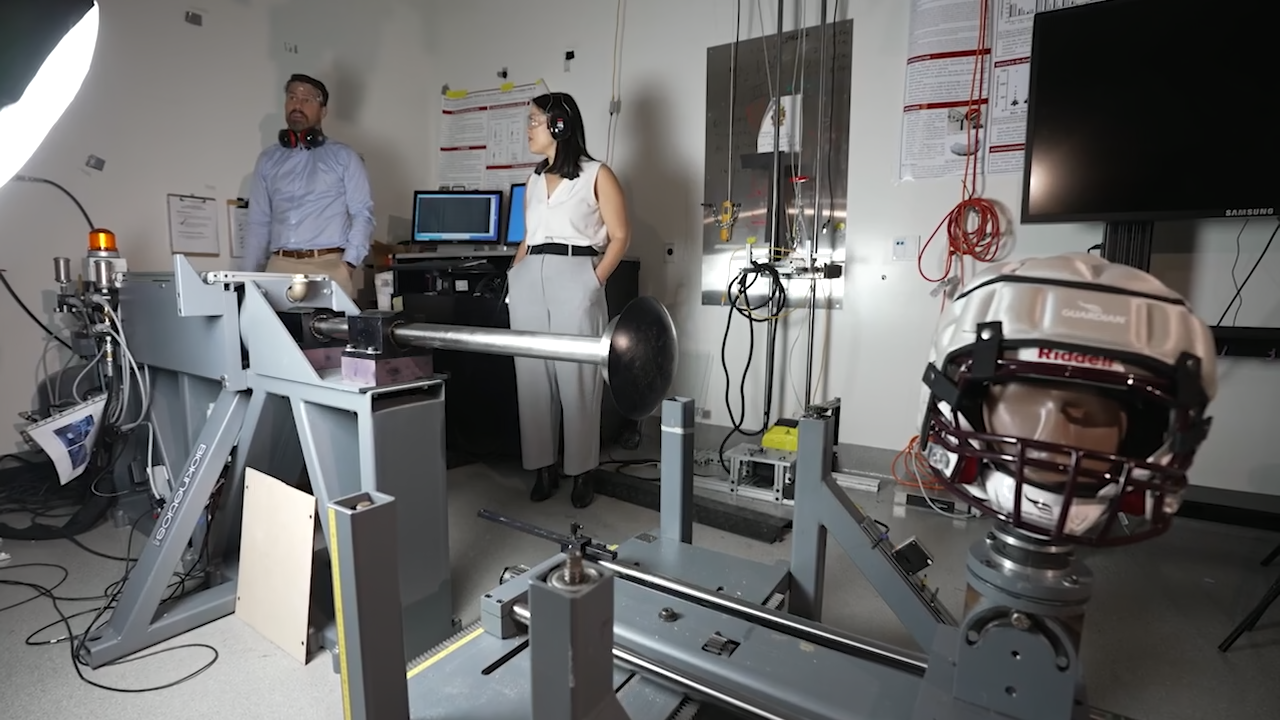
The results he’s talking about come from a recent study published in the British Medical Journal showing at least a quarter of NFL players will likely develop a neurodegenerative disease like CTE. The NFL said it’s aware of the study, and it’s ensuring its community has access to expanding resources. Camarillo believes the science points to urgent action needed at the professional level.
“Does it mean kids shouldn’t play sports? I don’t think we have enough information to say yes to that,” Camarillo said.
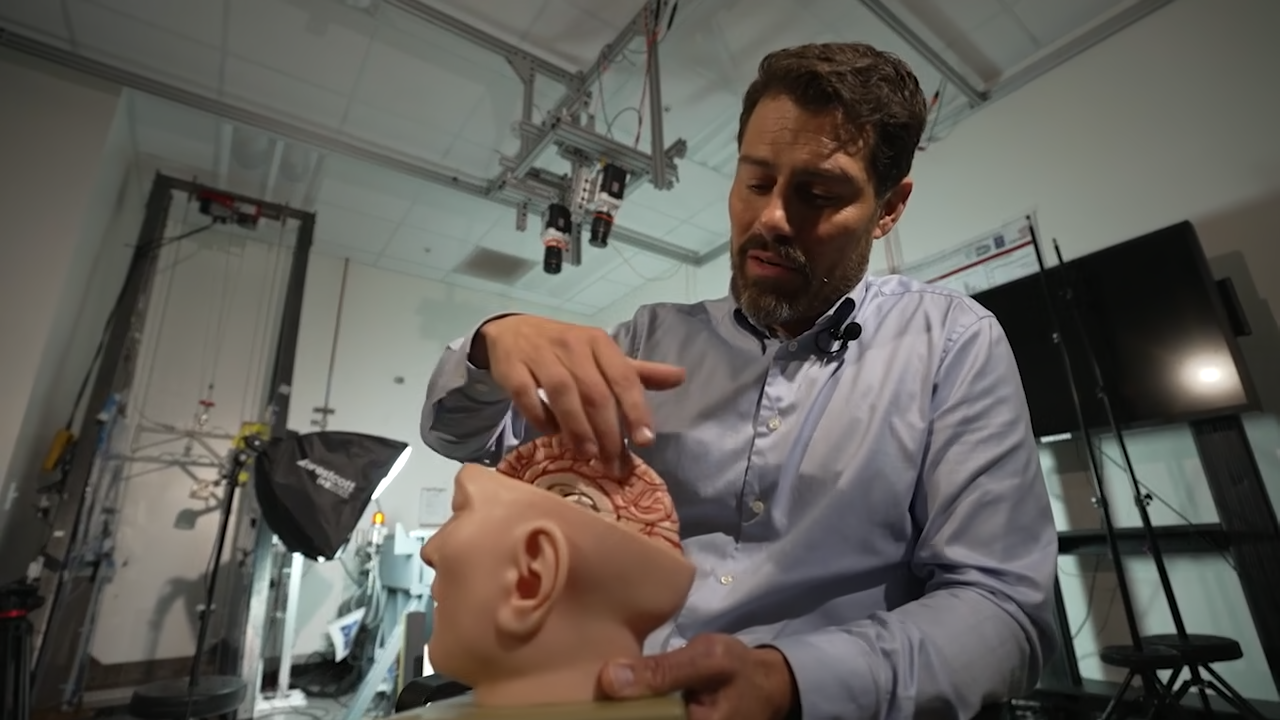
When asked what’s the harm in taking preventative action in case certain youth sports are connected to developing CTE later in life, Camarillo said he believes taking action at an individual level is perfectly fair.
“I think it’s a very different thing to make a law, to make public policy that affects everybody, that takes away a right to choose. That ought to have scientific evidence behind it,” he added.
Why isn’t there evidence? The British Medical Journal study relied on hundreds of NFL players donating their brains to science after they die. We don’t have that kind of data on our young athletes today.
The Investigative Unit spoke to numerous doctors, researchers, and students about this issue over the past several weeks. All said the best solution right now is education and schools fostering a culture where students feel encouraged to report concussion symptoms.
“If it wasn’t for like my prior knowledge or like my friends or like me witnessing it first-hand, I probably would have lied to get back into wrestling,” Nguyen said.
Candice Nguyen is the senior investigative reporter on this story. If you have a question about this story or a story tip, email her at candice.nguyen@nbcuni.com.


